Pronouns
1. Introduction
When crafting content, the use of pronouns is crucial for clarity and tone. For instance, if a user with a membership wants to view their flights, should we label it as “My flights,” “Your flights,” or just “All flights”? Our preference is “All flights.” Why? It’s straightforward, inclusive, and avoids unnecessary complexity, ensuring a smooth user experience.
2. Principles
2.1. Avoid extra personalization
All our products and services inherently belongs to the user. As we mentioned our slogan, “Globally yours.” We must all bear in mind that Turkish Airlines has a simpler and straightforward language.
2.2. Simplicity and clarity
Users logging in with a membership already expect a personalized experience. Constantly reminding them can feel overwhelming. Repeating personalization in system language is overdesign.
2.3. Clear and direct communication
We never try to address our users through buttons or labels. Turkish Airlines has a transactional manner that reflects clearness, conciseness and reliability.

3. Use cases
3.1. Menus, buttons and labels
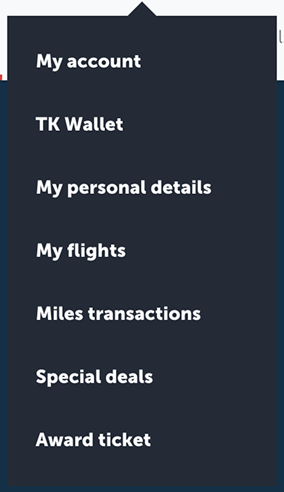
Avoid using pronouns. The user will understand without needing “My” or “Your.”


3.2. Headings and body copies
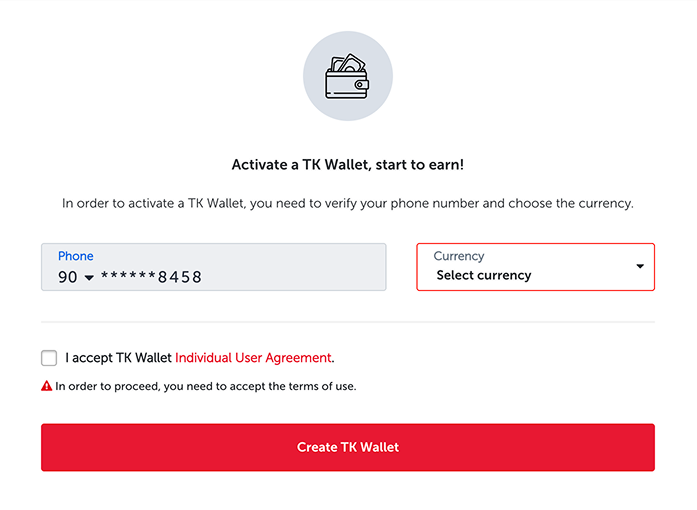
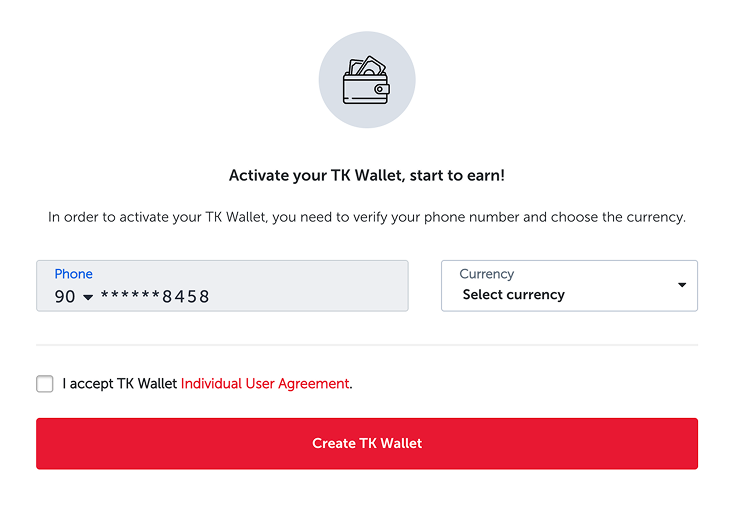
If you have to address the users’ TK Wallet, Miles&Smiles Number, or any other possessive objects, use “Your”.