
Active vs. Passive
1. Introduction
We prioritize using active voice because it aligns with our values of transparency, hospitality, and accountability. Active voice not only enhances clarity but also allows us to take responsibility for our actions and interactions with our customers. Here’s a deeper dive into why we prefer active voice and when passive voice might be appropriate.
2. Why do we use active voice?
2.1. Clarity and directness
Active voice places the subject of the sentence in a clear, prominent position. The “doer” comes before the verb, making it immediately apparent who is responsible for the action. This structure eliminates ambiguity and ensures our message is straightforward and easy to understand.

2.2. Accountability and trust
Using active voice demonstrates that we are taking responsibility for our actions, reinforcing our commitment to reliability and trustworthiness. It shows that we are accountable and open with our customers, which is a key aspect of our brand’s hospitality.

2.3. Engagement and energy
Active voice is inherently more dynamic and engaging. It captures the reader’s attention and creates a more conversational and friendly tone, which is essential for building strong customer relationships.

3. Scenarios where you should use passive voice
While active voice is our default, there are certain scenarios where passive voice is more appropriate:
3.1. Emphasizing the action over the doer
When the focus should be on the action itself rather than who performed it, passive voice can be useful. This is often the case when the “doer” is unknown or irrelevant to the message.

3.2. Maintaining formality and objectivity
In certain contexts, such as legal or formal communications, passive voice can add a level of objectivity or neutrality that active voice may not provide.
3.3. Customer-centric language
When the experience or result for the customer is more important than who performed the action, passive voice can appropriately shift focus to the customer’s experience.
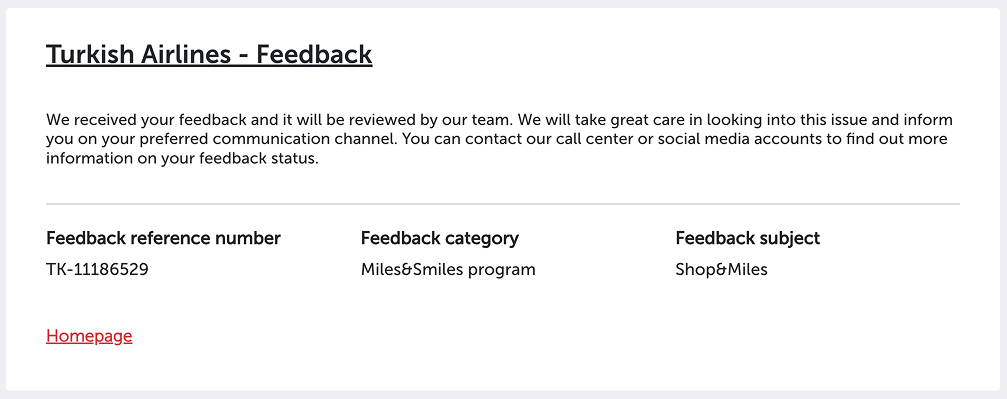
3.4. Error messages
Writing all error messages in an active tone can sometimes come off as accusatory or harsh, which may frustrate users. Don’t hesitate to use passive voice when appropriate. It can help maintain a friendly and professional tone, especially in sensitive situations.